Choosing the right setting for your child’s ABA therapy can feel overwhelming — especially when both in-home and center-based services offer real benefits. So which one is right for your child?
In this guide, we break down the key differences between the two options to help you make the most informed, confident decision for your family.
What Is In-Home ABA Therapy?
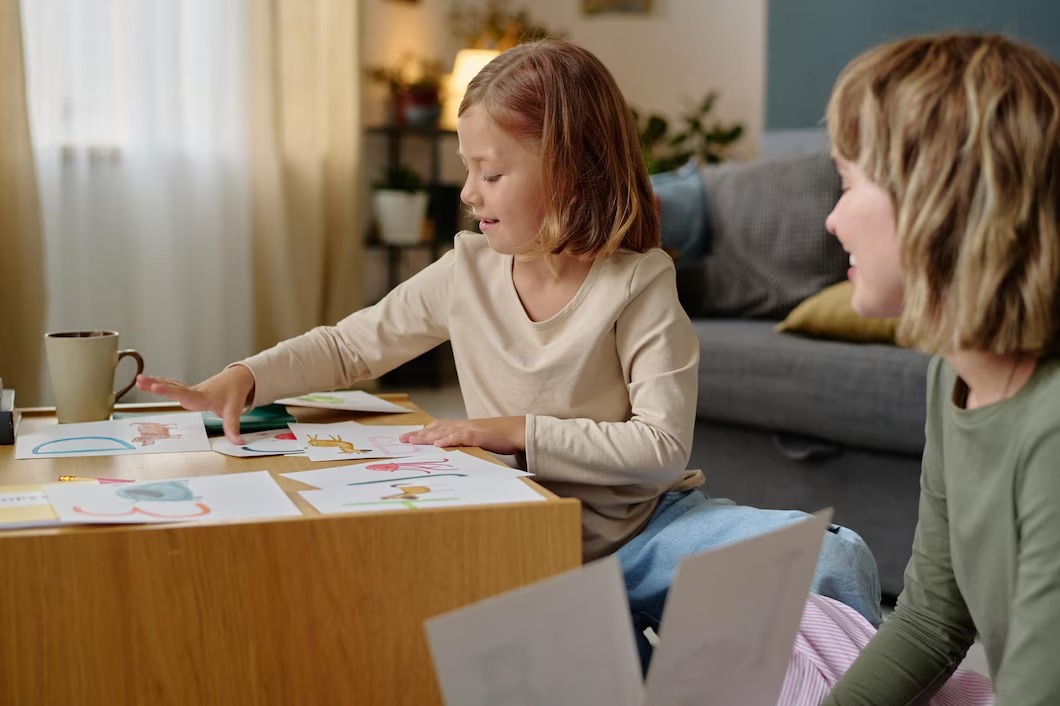
In-home ABA therapy takes place in your child’s natural environment — your home. Therapists visit you and work with your child in familiar surroundings, making it easier for your child to learn and practice important real-life skills such as:
-
Following routines
-
Communicating needs
-
Managing transitions
-
Reducing problem behaviors at home
Pros:
-
Highly personalized to your family’s routine
-
More comfortable environment for shy or anxious children
-
Parents can observe and be actively involved
Considerations:
-
May have more distractions (TV, toys, siblings)
-
Space may be limited
-
Requires a parent/guardian to be present during sessions
What Is Center-Based ABA Therapy?
Center-based ABA therapy happens in a clinic or structured facility designed for learning. These settings are often equipped with learning rooms, sensory tools, and multiple therapists on site.
This format mimics a school-like environment, which can be helpful for social development and preparing for transitions like preschool or kindergarten.
Pros:
-
Fewer distractions
-
Structured, school-like setup
-
Access to a team of professionals and peer interaction
Considerations:
-
Travel time for families
-
Less flexibility in scheduling
-
May be overwhelming for some kids at first
So, Which One Is Right for Your Child?
There’s no one-size-fits-all answer — and honestly, both models can be effective. Here’s how to decide:
| If your child… | Try this setting: |
|---|---|
| Struggles with new environments | In-Home ABA |
| Needs school prep or peer socialization | Center-Based ABA |
| Needs to work on home routines | In-Home ABA |
| Benefits from structured environments | Center-Based ABA |
| Needs a flexible schedule | In-Home ABA |
Parent Tip: Blended Models Work Too
Some families use a mix of both — starting with in-home, then transitioning to a center. This can ease the child into a more structured setting over time.
Talk with your care team about what works best based on your child’s goals, temperament, and daily routines.
Final Thoughts
Whether therapy happens at home or in a center, the most important thing is that it’s tailored to your child’s needs — with qualified therapists, a solid plan, and parental involvement.
At ABA WITH US, we offer both settings and can help guide you toward the best option for your family. Because your child’s progress is what truly matters — not just the location.