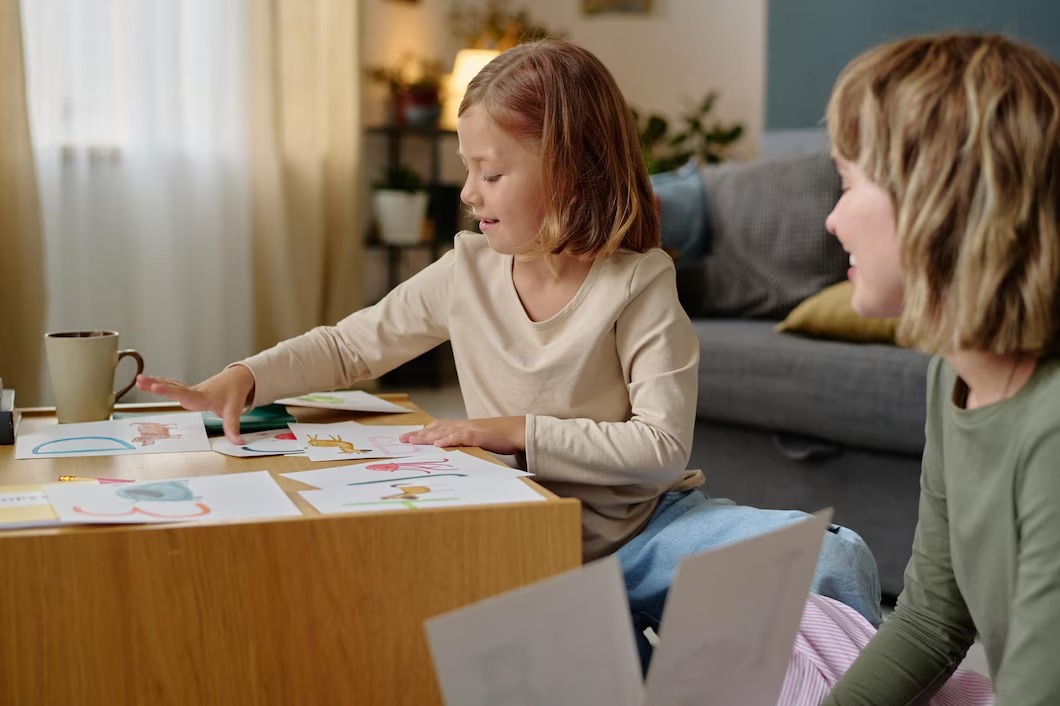
Early childhood is a critical time for development — especially for children diagnosed with Autism Spectrum Disorder (ASD). When it comes to building communication, social, and learning skills in toddlers, Applied Behavior Analysis (ABA) therapy is one of the most effective and research-backed tools available.
In this guide, we’ll break down why starting ABA therapy early matters, what it looks like for toddlers, and how parents can be involved every step of the way.
Why Early Intervention Is So Important
The first few years of a child’s life are when the brain is developing rapidly. During this window, toddlers are learning how to interact with the world around them — how to talk, play, make eye contact, and respond to routines.
When delays in these areas are noticed, early ABA therapy can help close those gaps. The earlier the support starts, the better the outcomes tend to be — both short-term and long-term.
What Does ABA Therapy Look Like for Toddlers?
ABA for toddlers is play-based, gentle, and highly individualized. Sessions are designed to fit a young child’s attention span and interests, focusing on:
Basic communication (like making requests)
Eye contact and joint attention
Understanding daily routines
Reducing tantrums or harmful behaviors
Improving social interactions (like turn-taking or imitation)
Therapists often use toys, songs, and games to create a fun and safe learning environment.
How Are Parents Involved?
Parents play a huge role in the success of ABA therapy — especially at this age.
At ABA WITH US, we believe in family-centered therapy. That means:
We coach parents on how to reinforce progress at home
You’ll get regular updates on what your child is working on
Your insights and observations help shape your child’s therapy plan
When parents and therapists work as a team, progress happens faster and feels more natural.
How to Know If Your Toddler Needs ABA Therapy
You might consider an evaluation if your child:
Isn’t making eye contact
Has delayed speech or language
Doesn’t respond to their name
Struggles with changes in routine
Has intense or repetitive behaviors
If you’re unsure, it’s always okay to reach out and ask questions. Our team can help you set up a developmental screening or connect you with a qualified diagnostician.
Final Thoughts: Start Small, Start Early
ABA therapy isn’t just about fixing behaviors — it’s about giving toddlers the skills and confidence they need to explore, connect, and thrive.
If you’re concerned about your child’s development or have received a recent autism diagnosis, don’t wait. Early intervention can truly change the course of a child’s life — and we’re here to help guide that journey.